ARO Welcome_Nigeria_mc

Welcome A Rocha Nigeria

Join us in welcoming A Rocha Nigeria to the A Rocha Worldwide Family – a new chapter emerging from the faithful work of Eden Creation Care Initiative.

One of its flagship projects has been caring for the Rennajj Fish Farm for several years. In the heart of Jos, in Plateau State, abandoned ponds and a threatened wetland habitat is now a landscape alive with restoration.

Each morning, as mist rises gently from the water, the protection team walks the boundaries, boots pressing into damp earth, watching for signs of disturbance and ensuring wildlife is undisturbed. As the dry season approaches, careful hands carve firebreaks across the land, tracing protective lines against wildfire. When the rains return, pond outlets are sealed, allowing water to gather and remain, sustaining life long after the clouds have passed.

Nearby, a nursery hums with quiet growth. Thousands of seedlings of cashew and other native species stretch toward the sun, waiting to take root in renewed soil. Over time, hopeful saplings have matured. African baobab and African locust bean trees now stand tall, their fruit a living testimony of resilience.

Invasive eucalyptus trees are gradually replaced with native, life-giving species. Along the edges, Jatropha curcas – a drought resistant, perennial plant – forms a living fence, guarding the sanctuary.

As Eden transitions into A Rocha Nigeria, this flourishing wetland becomes part of a global family – locally rooted, globally connected and thriving with hope.

ARO Welcome_DR Congo_mc

Welcome A Rocha DR Congo

The Democratic Republic of Congo is known both for its extraordinary biodiversity and for the long shadow cast by conflict. Decades after one of Africa’s most devastating civil wars, over 7 million people remain displaced, and localized struggles over land and resources continue to fracture daily life. The minerals that power much of the modern world are pulled from Congolese soil, and the cost is borne by communities and ecosystems alike.

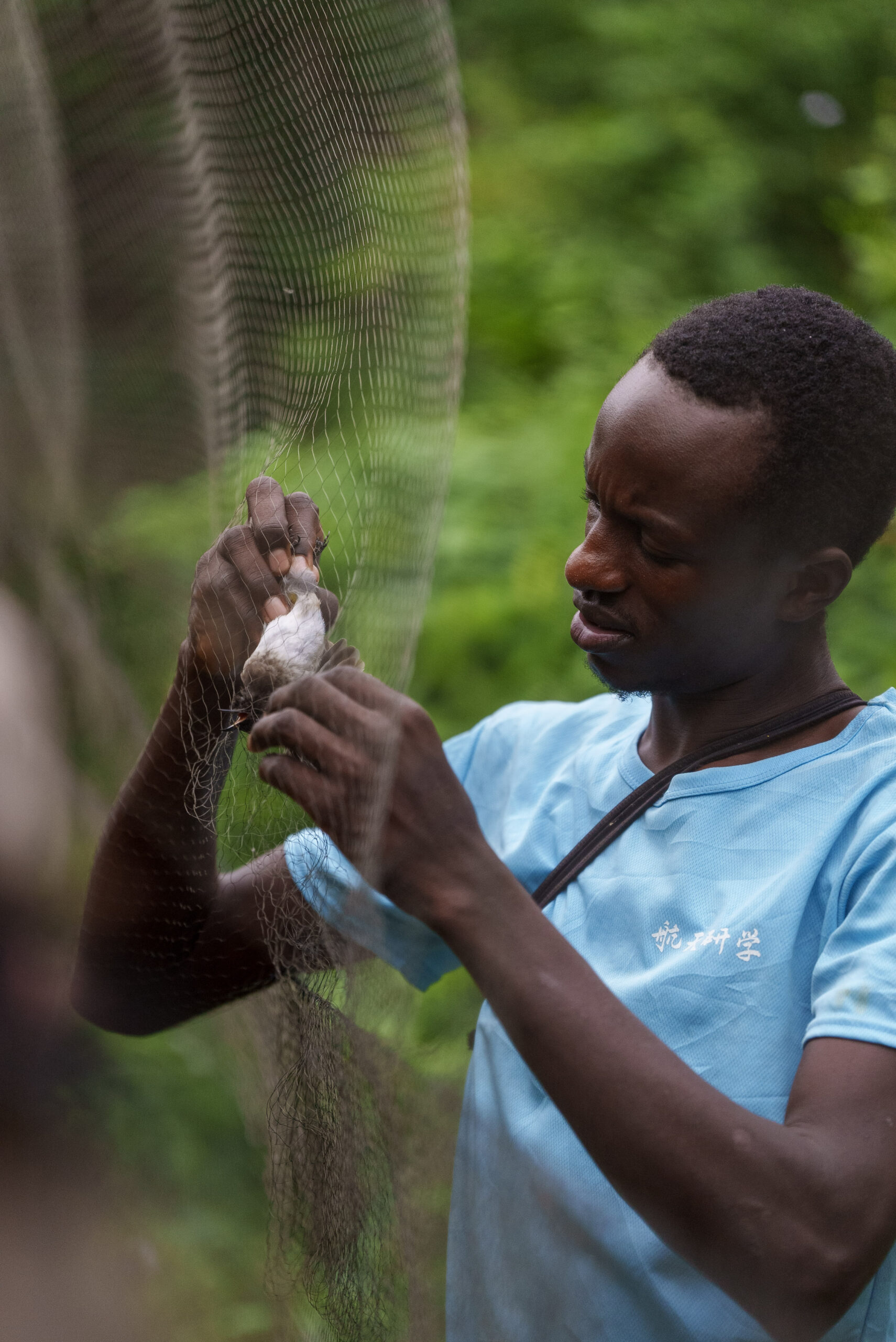
Into this fragile, vibrant place steps a new member of the A Rocha family: A Rocha DR Congo was founded as TRAFFED in 2003 in Bukavu, South Kivu. For more than 20 years, TRAFFED has quietly and faithfully woven together creation care, community development and Christian discipleship in some of the world’s most challenging contexts.

Their work stretches across eastern Congo’s globally significant landscapes, from community forests on Mount Kabobo to conservation efforts protecting Grauer’s Gorilla Gorilla beringei graueri in the Itombwe region. The team partners with pastors to address deforestation around Kahuzi-Biega National Park, supports women’s eco-entrepreneurship across South Kivu, and advocates for sustainable fisheries near Lake Albert. At the heart of it all is a deep commitment to faith: biblical teaching integrated into conservation, churches equipped as agents of hope, and collaboration across evangelical and ecumenical lines.

One of A Rocha DR Congo’s most inspiring achievements is the Higher Institute of Ecology for Conservation of Nature, home to a pioneering department of environmental theology, forming leaders who see creation care as central to God’s purposes.

In a place marked by long conflict and loss, A Rocha DR Congo reminds us that faithful action is still possible. As Steve Tanner, board chair of A Rocha International writes, ‘This new member of the family represents a huge sign of hope. Even in countries in conflict, where the population goes through extreme difficulties, dangers and uncertainties, there are Christians who chose to stand up and act for creation. A Rocha DR Congo joining the family is a powerful encouragement!’

Bitterns_mc

Booming Bitterns return

Bitterns prefer to be heard, not seen. Camouflaged in streaked brown plumage, this heron haunts the reedbeds of freshwater or brackish marshes. When it feels threatened, the Bittern freezes and extends its neck towards the sky, a position it can maintain for several hours. It will even sway, mimicking the movement of the wind in the reeds, waiting for the danger to pass. This long neck is also a formidable weapon, tucked into its shoulders as the Bittern moves imperceptibly towards a fish, amphibian or aquatic insect. Once it is close enough, it extends its neck to catch or pierce its prey with its spear-like beak. Due to its stealthy nature, it is difficult to detect a Bittern’s presence by sight, but its deep, rhythmic call can be heard from hundreds of metres away.

For the first time in over 30 years, the booming of the Eurasian Bittern Botaurus stellaris has been heard once again in the marshes of the Baux Valley, France. By surveying an area from dusk until dawn during breeding season, the A Rocha France team identified a singing male in the Ilon Regional Nature Reserve on several occasions. Since this species is polygamous, it is likely that there are also several females on the site. The Bittern’s return to the valley is encouraging news, suggesting that the water levels and environments are favorable to its nesting.

In Aotearoa / New Zealand, the Karioi Project is a collaborative community restoration initiative supported by A Rocha Aotearoa / New Zealand, contributing to the Matuku-hūrepo Muster: a national initiative to monitor and protect the Australasian Bittern / Matuku-hūrepo Botaurus poiciloptilus. Local wetland surveys and community hui (gatherings) are helping build a clearer picture of where these elusive birds are breeding, the habitats on which they rely and how better to support their survival. This work also raises awareness of the value of healthy wetlands for people and wider biodiversity around Whāingaroa and beyond. In 2024 and 2025, 14 sites were monitored by listening, with five Bitterns recorded booming across four sites.

Listen to the striking call of these delightful creatures below. Through strategic conservation work, we hope to have wetlands resound with Bittern booming once again!

Eurasian Bittern Botaurus stellaris recorded by A Rocha France in the Valleé de Baux. 
Eco-Church_mc

The global Church cares for creation

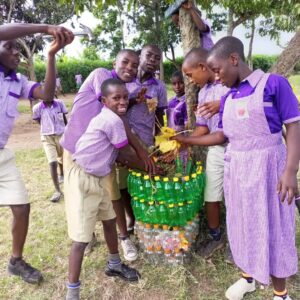
Christians around the world are embracing the call to care for God’s world, and creation care programmes are taking root in their churches. While A Rocha UK’s iconic Eco Church network turns ten this year, new programmes are emerging throughout the A Rocha Worldwide Family, each with a unique flavour based on the country, cultureand needs of the local church.  

At the end of 2025, A Rocha Lebanon partnered with the Middle East Council of Churches to launch Eco Church Middle East, a programme that spans from Morocco to Iran. Eco Church will reach more than 20 Christian traditions in the region – including Catholic, Orthodox and Protestant groups – with materials available in at least five languages.  

Similar in scope, the new Eco Church Australia covers a vast area of the country, which includes a wide range of climates and ecosystems from desert to tropical rainforest. This means that the most sustainable approaches and priorities will differ between churches, but planting indigenous plant species for native bees, birds and other wildlife will be a priority everywhere.  

Eco Church / ‘Eco Igrejas’ has also sprouted in Portugal, leading to an unprecedented cooperation between the Roman Catholic majority, Evangelical and Historic Protestant churches. Representatives from these groups are all coming together on the Eco Church team. The project also makes a deliberate and unique effort to use language that is shared and accessible across these different Christian traditions. 

In the United States, Christians are not necessarily known for caring for creation. A Rocha USA is challenging this through Churches of Restoration. Rev. Sarah Robinson, pastor at Audubon Park Covenant, explains her approach: ‘Beyond just simply loving what God loves, we were created out of the earth and dependent on it.’ See how church members are responding in the video below.

Eco Eglise’ invites Christians in Switzerland to evaluate the ‘frenetic pace’ of modern lifestyles and embrace the long, slow work of creation care. Through gardens, seasonal celebrations, reducing waste and sourcing food locally, among many other actions, Swiss Eco Churches present an alternative and intentional way of living with God’s creation.  

In New Zealand, the Eco Church Network is called ‘whānau’, a Māori word for an extended family group. It’s an invitation for churches and creation to journey together as kin. This ecumenical, nationwide movement seeks to care for God’s earth, with a special emphasis on art and storytelling alongside practical action. Similarly, A Rocha Ghana’s Eco Church programme emphasizes ‘being a friend to the environment’, equipping churches to demonstrate their care for God’s creation within their worship, their church compound and the community around them. 

Since A Rocha UK and their partners launched Eco Church in 2016, over 9,000 churches have joined – around 23% of churches across England and Wales! Over 4,500 churches have achieved Eco Church awards, with initiatives like buzzing biodiversity gardens, outdoor services in nature, sharing low-mile food items, and making historic buildings climate-smart.  

Micah-Global_mc

Micah Global conference

At the end of September last year, over 230 people gathered in Cape Town for the Micah Consultation. Each day began with vibrant ululations of worship in Zulu and Xhosa – an amazing expression of faith that set the tone for the days ahead. It was a privilege to witness how faith brings together people from diverse cultures and organizations: those providing relief, running toward crisis, caring for vulnerable communities, and protecting creation. The four days were deeply rooted in shared knowledge, reflection, and prayer for every person present. 

For the first time, the Micah Consultation included a Creation Care track, led by A Rocha’s Dave Bookless and Kuki Rokhum, alongside Laura Yoder from Wheaton College. 

With the magnificent Table Mountain as our backdrop, the creation care team set out to experience God’s beauty firsthand, sitting on the rocks at Kalk Bay as waves crashed against the shore, and enjoying a surprise visit from a friendly seal at the harbour. We also heard powerful local stories of resilience, including efforts to protect green spaces such as Princess Vlei Park, where communities stood firm against plans to convert the land into shopping malls or residential developments. 

Throughout the consultation, conversations revealed the deep pain many carry from the work they do. Dave offered a reflective presentation on lament that brought a fresh and transformative perspective to many.  

‘Tears are the seeds on which hope can grow,’ he said. It was a powerful reminder of what can emerge from brokenness, drawing us back to hope and faith. 

The women of Micah also spent a full day at Intaka Island, engaging with one another. They spoke honestly about the gender-specific challenges they face and explored ways to navigate and mitigate them. Women in leadership encouraged those just beginning their journeys not to give up, even when the path feels lonely. 

Renowned Filipina writer Melba Maggay left us inspired with these words: ‘Do not think of your empty spaces as a place of deprivation, but as a place of consecration.’ 

ICUN-Panel_mc

IUCN World Conservation Congress: panel discussion

In October 2025 the IUCN World Conservation Congress brought together governments, NGOs, Indigenous people groups and volunteer scientists who are working urgently to protect nature and conserve life on Earth.  The Congress is responsible for shaping the global conservation agenda and as the only global Christian Conservation organization, we brought a distinctive perspective. 

We held an event last November to hear reflections and observations from A Rocha delegates Avinash Krishnan, Judith Ochieng and Ed Walker about the purpose and impact of the congress, which you can watch below. 

Marine-Opportunities

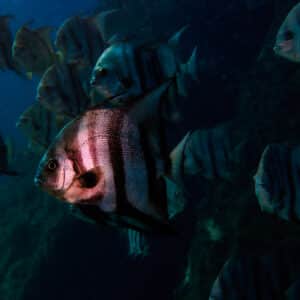
Marine Conservation Student Theses

The A Rocha family conducts marine conservation across the globe, often with the help of students. We have opportunities for those who need to conduct research for Bachelor’s, Master’s, or Ph.D. degrees. Similarly, post-doctoral projects are highly encouraged at our project sites. Note, there is NO funding for these projects. However, your project will assist in practical marine conservation and provide information and expertise needed for our local teams.

Process:

  1. Examine our Marine Conservation Programme website to discover the range of projects and locations where we work.
  2. Look through the list below to see specific projects that are of current interest. These are not the only topics available, but they reflect current country priorities.
  3. Fill in A Rocha’s volunteer form stating that you are a student and looking for a specific project in a particular location. Feel free to indicate more than one project or location. These will be forwarded to the appropriate country, where they will work with you to see whether your project is possible. Each country has its own set of requirements, including costs, and so you will need to work directly with them.

Kenya

  • Trait-based assessment of Watamu Marine National Park Biodiversity. The biodiversity of this marine park is known. The question we are interested in answering is about the relationship between these species and their habitats and the functional diversity of this park. This could be a desk-top study.
  • Assessment of the abundance, distribution, and population dynamics of the crisp pillow coral (Anomastraea irregularis).

Portugal

  • Sources of polystyrene microplastic pollution in the Alvor Estuary. Our microplastic research indicates that this is the most prevalent microplastic on beaches offshore of this estuary. We are interested in understanding potential local sources.
  • Biodiversity studies within the estuary. We know little about many taxonomic groups in the Alvor Estuary.

Florida, USA

  • Microplastic in the gut contents of Atlantic mole crabs (Emerita talpoida).
  • Feeding ecology of shorebirds and its implications for the transfer of microplastics between Atlantic beaches and the Indian River Lagoon system.
Big-Give_mc

Big Give

Double your impact

We’re excited to let you know that in 2026, with your help, we hope to mobilize and equip over 35,000 young people to care for creation. Every region of the world is experiencing acute crises of biodiversity loss and climate change. Species and habitats, tropical forests and reefs are being lost daily. Temperatures are rising while governments cut funding for conservation programmes. With their futures at stake, young people care deeply about the state of the world and want to contribute to solutions. However, they can be paralyzed by eco anxiety, lack relevant training or simply don’t know where to begin.    

Investing in young people has always been an important part of the A Rocha mission. We have been selected to participate in the Big Give Christmas Challenge again and this year your support will help us reach even more young people through Environmental Education programmes, internships, volunteer placements, capacity building and youth-led research projects. Your gift will equip young people to understand better the connection between creation care and the Christian faith. Reaching this many young people would make a significant impact and we’d love your support.   

The Christmas Challenge kicks off at noon (GMT) on #GivingTuesday, 2 December and continues until noon GMT on 9 December. During that time, every contribution made through our campaign page on the Big Give Christmas Challenge website* will be DOUBLED.  

One donation, twice the impact.  

*Please note that only donations made through our campaign page on the Big Give website between 2-9 December are eligible to be doubled (while match funds last). The donate button will appear on the campaign page when the Christmas Challenge launches. 

High-Seas_mc

High Seas Treaty

You may remember in our July enews we reported on the UN Ocean Conference, held in Nice, France. In that story, we highlighted the situation of the high seas – the vast maritime area that lies beyond the jurisdiction of any state. Sometimes described as the ‘Wild West’ where anything goes, this area covers half of the planet and nearly two-thirds of our seas. Slowly but surely, that era of lawlessness is giving way to hope, as real protection for this vulnerable part of the ocean becomes possible. 
  
In June 2023, governments adopted the High Seas Treaty – a landmark agreement designed to protect the ocean, including addressing the threats of deep-sea mining and geoengineering while safeguarding lives and livelihoods. 
 
The Treaty opened for State signatures in September 2023. By June 2025, perhaps encouraged by the Ocean Conference, the number of signatories had risen from 30 to 51. By the end of August, 55 had signed. Then 57. The milestone of 60 ratifications loomed: at 60, a 120-day countdown is triggered, after which the High Seas Treaty will enter into force. Slowly the numbers crept up…and on 19 September, two years after opening, the 60th State ratified the treaty. Numbers continue to climb – the current count is 75 signatories. On 17 January 2026, the High Seas Treaty will come into effect as a legally binding international agreement. 
  
The ocean is vital – producing oxygen, storing heat and carbon, providing food and livelihoods, carrying goods and sustaining countless forms of life – the list goes on. What happens next with the Treaty will be interesting to see; there are still multiple agendas and priorities at play. But we hold hope that this marks a major step toward caring well for this vulnerable area that means so much to the equilibrium of our world.

A Rocha International's booth at the exhibition. Left to right: Ed Walker, Avinash Krishnan, Judith Ochieng and Nicholas Warren.

The 2025 IUCN World Conservation Congress

Once every four years, the IUCN World Conservation Congress brings together governments, NGOs, indigenous people groups and volunteer scientists who are working urgently to protect nature and conserve life on Earth. Of the 1,400+ members of the International Union for Conservation of Nature (IUCN), A Rocha International is the only global Christian conservation organization. This October, we brought a distinctive perspective to the Congress, which is responsible for shaping the global conservation agenda.

In the Congress’ forum, for example, A Rocha hosted the live podcast ‘The Missing piece in conservation? Engaging world faiths and worldviews at the grass roots.’ The worldviews of more than three-quarters of the world’s population are shaped by faith, and religion remains an underused force in protecting nature. Faith influences what people love and, ultimately, what they protect. We brought together conservation professionals from a variety of faith traditions to discuss why, in the words of our Director of Theology Dave Bookless, ‘Faith groups need a place at the table’, with examples from the field and an optimistic vision for the future.

‘Nature knows no borders – and neither should our efforts to protect it,’ remarked A Rocha’s Conservation Practice Lead, Nicholas Warren, who attended the Congress. This spirit pervaded the Exhibition, where Congress attendees and the public gathered to share stories of innovation, struggle and success in conservation. Hundreds of languages were spoken and thousands of ideas were exchanged. The A Rocha International delegation mirrored this multiculturalism: Nicholas Warren and Ed Walker joined from the UK, Avinash Krishnan from India, and Judith Ochieng from Kenya. A Rocha Ghana is also a member of the IUCN, represented by Seth Appiah-Kubi, Jacqueline Mbawine, Daryl E Bosu and Godwin Evenyo Dzekoto.

During the Congress’ Awards Ceremony, the Harold Jefferson Coolidge Memorial Medal was awarded to Dr. Simon Stuart, a former Executive Director of A Rocha International, in recognition of his transformative impact on global species conservation, particularly through his work on the IUCN Red List and amphibian conservation. In his acceptance speech, Simon thanked A Rocha co-founders Peter and Miranda Harris for helping bring his faith and love of nature together and said, ‘Conservation is a collaborative effort, and the true heroes are usually unseen, so I’m proud to accept it on their behalf.’ 

Finally, at the Members’ Assembly A Rocha voted on key resolutions for the IUCN that will shape conservation priorities worldwide. These discussions are urgent as we strive to halt and reverse biodiversity loss, making the world ‘nature positive’ by 2030. 148 Resolutions were passed, focused on coordinated solutions that benefit people and nature. For example, the Assembly voted to recognise ecocide as a crime, define ethics around the use of synthetic biology for conservation, encourage soil security laws, and improve tree planting practices by ‘Planting the right tree in the right place for the right purpose’.  

Congratulations to A Rocha Ghana, who successfully advocated for Motion 104: Safeguarding biodiversity and human rights in energy transition mineral governance. This groundbreaking resolution calls on governments, companies and civil society to ensure that the global shift to renewable energy does not come at the expense of biodiversity or the rights of Indigenous Peoples and Local Communities. The global shift to renewable energy and decarbonisation has significantly increased the demand for energy transition minerals, such as the bauxite mined in Ghana’s Atewa Forest. Motion 104 recognises the critical need to address climate change while also upholding ‘conservation justice’ for people and planet.  

The IUCN President, Her Excellency Razan Khalifa Al Mubarak, left the Congress with a powerful statement: ‘Ours is not an easy task, but it is an essential one: to bridge divides – between science and policy, between climate and biodiversity, between people and the planet itself. To remind the world that nature is not only a victim of our excesses, but a powerful ally in our survival… Let us leave Abu Dhabi with the confidence that what unites us is far greater than what divides us — our shared belief in the resilience of life itself.’ We leave the Congress encouraged and equipped for the next several years of conservation.