
Eco Church

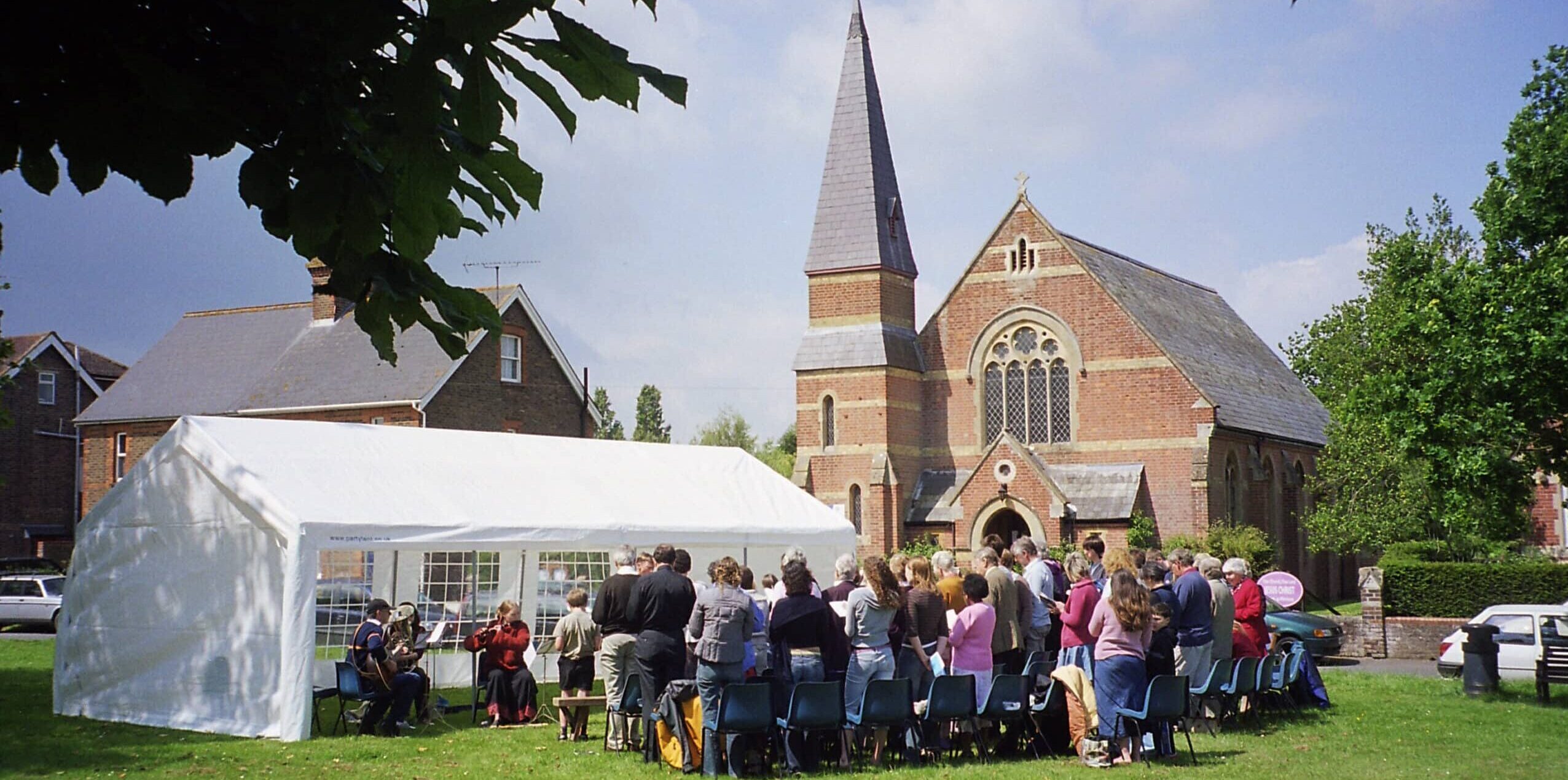
Eco Church began as an A Rocha UK project in 2016 in partnership with others, offering an environmental award scheme for churches in England and Wales. Today, Eco Church is spreading around the world as different A Rocha national organisations and their partners find ways to engage churches in creation care.
Eco Church in England & Wales
At the heart of Eco Church in England and Wales is a unique online survey about how they are caring for God’s earth in different areas of their life and work. The answers a church provide earn points towards an Eco Church Award – the more your church does, the more points you get!
The survey covers all areas of church life:
- Worship and Teaching
- Management of Church Buildings (if applicable)
- Management of Church Land (if applicable)
- Community and Global Engagement
- Lifestyle
If your score doesn’t gain you an Eco Church Award straight away don’t worry – the idea is to complete further actions in order to gain the points necessary for an Award. For example, you can use green energy in your church building, plant flowers or vegetables in church grounds, and teach creation care in Sunday School.
Free Eco Church resources give lots of support and advice about how to make the changes your church needs to become an Eco Church. Eco Church can be used alongside A Rocha’s environmental education resources.
There are three levels of Eco Church Award – Bronze, Silver and Gold. Once an Award is confirmed, depending on your country, you may receive a certificate and (optional) plaque from A Rocha UK to mark your achievement.
In the UK, the vision through Eco Church is to create a vast network of churches across England and Wales as local centres of creation care in the community – shining beacons of hope for a brighter environmental future. Over 10,000 churches are now involved! The scheme is run in partnership with Christian Aid, The Church of England, The Methodist Church, Tearfund, The United Reformed Church and Allchurches Trust Limited.

Eco Church in New Zealand
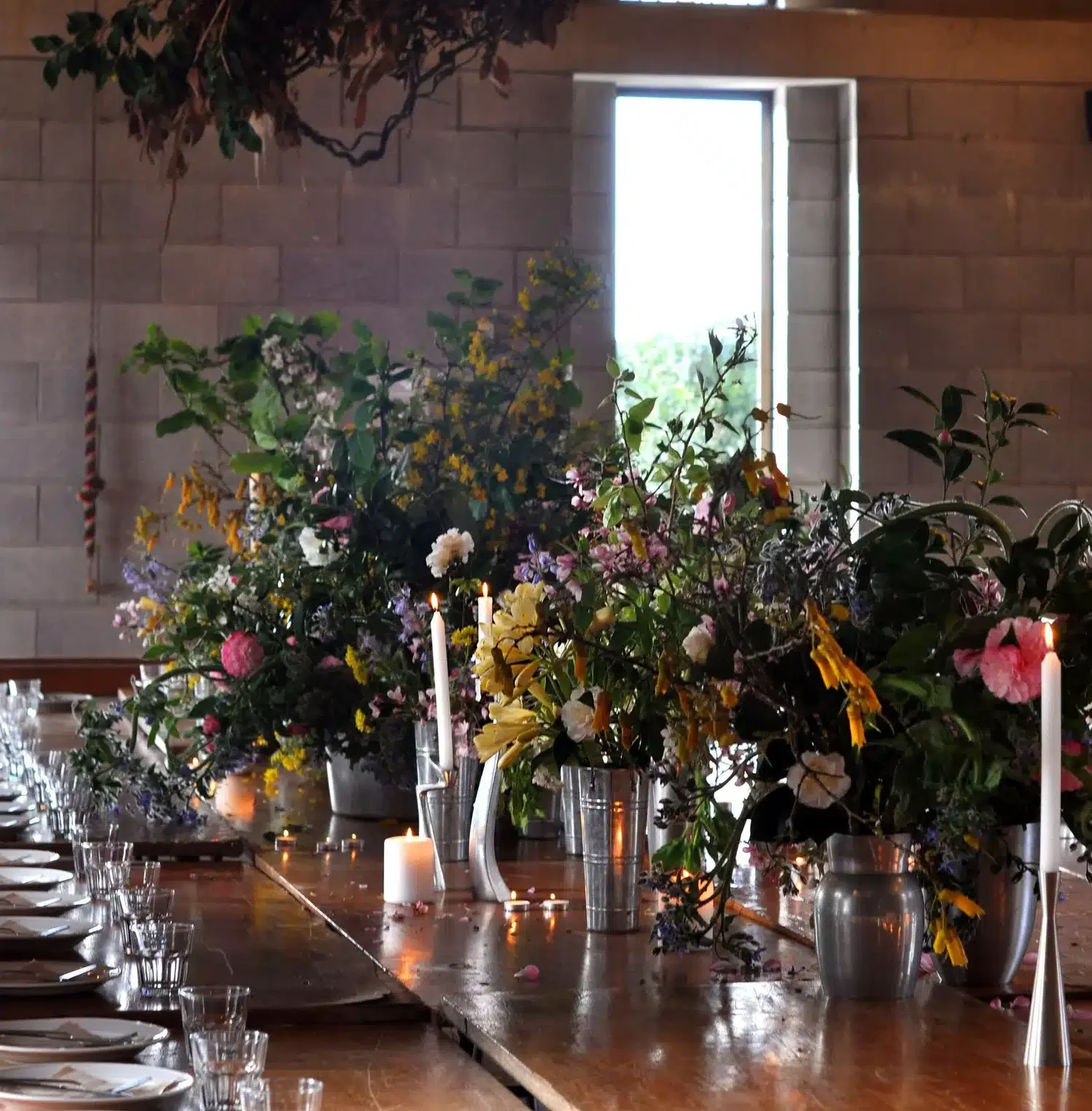
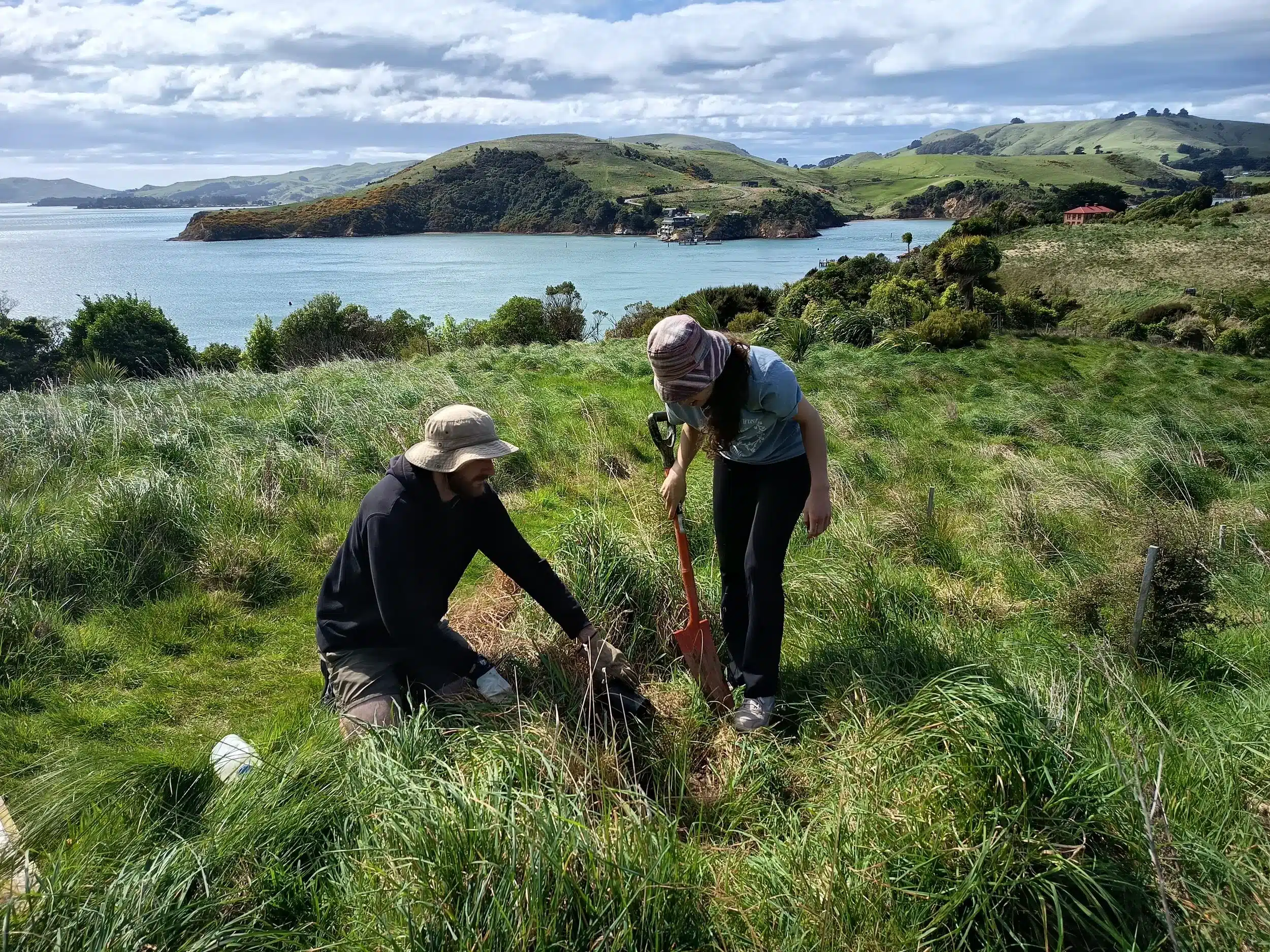
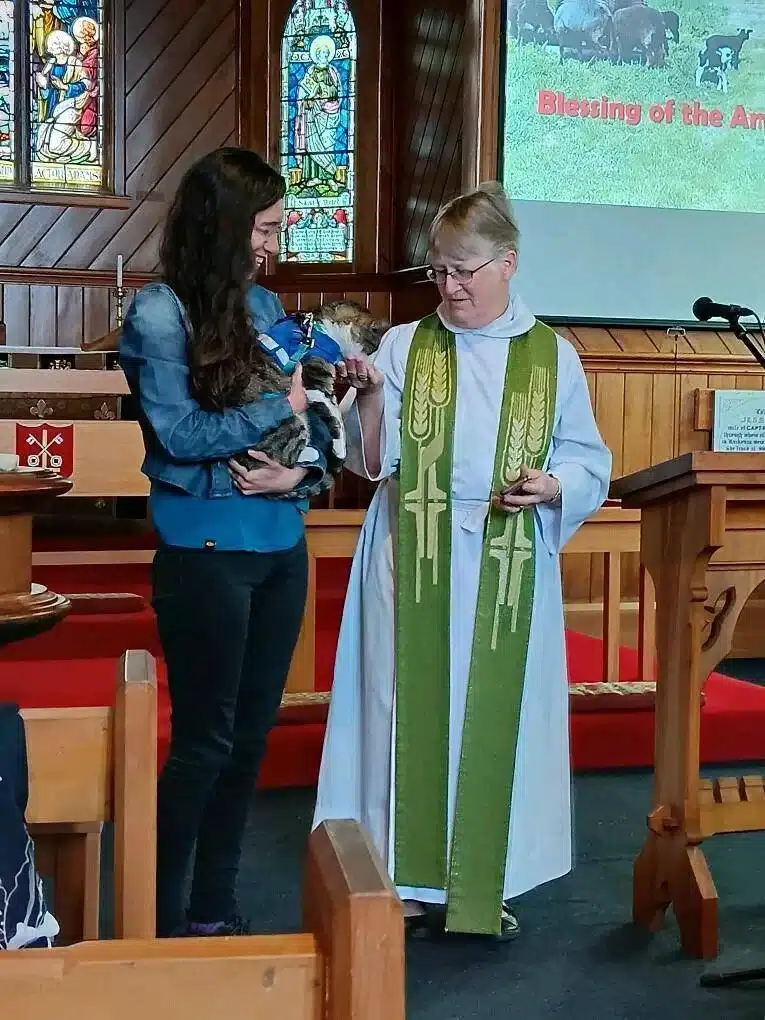
A Rocha Aotearoa New Zealand also welcomes churches to their Eco Church NZ ‘whānau’, an Indigenous Maori word for an extended family group. It’s an invitation for churches and creation to journey together as kin. This ecumenical, nationwide movement seeks to care for God’s earth, with a special emphasis on art and storytelling alongside practical action. They identify ‘three biblical challenges’ which Eco Church NZ is responding to:
- Living a faithful life and following Jesus through caring for God’s earth.
- Loving our neighbours in a resource-limited world – whilst the earth’s ability to support human life is being rapidly depleted, the poor will be the ones that suffer the most.
- Reflecting and protecting the glory of God – because caring for God’s earth is an essential part of the church’s mission in the world, churches can and should be agents of restoration and healing in their local communities. This includes modelling ways of living sustainably.
In partnership with Para Kore, A Rocha Aotearoa NZ has also launched a Zero Waste programme, which supports churches to reduce their waste through training workshops, resources and waste audits.

Eco Church in France
Église Verte, a joint national initiative of Roman Catholic, Orthodox, Protestant and Evangelical churches, was launched in Paris in 2017. It has expanded to a broad range of partnerships. All church progress is acknowledged, from ‘Mustard Seed’ for setting up a steering group, to ‘Cedar of Lebanon’ for major compliance in all areas of the eco-questionnaire – including helping other communities become Églises Vertes themselves. It is a practical tool for Christian communities to embark on a process of ecological conversion, with variations for different groups, including for groups of young people at college-high school level.
Eco Church in Switzerland
Eco Eglise invites Christians to evaluate the ‘frenetic pace’ of modern lifestyles and embrace the long, slow work of creation care. Many parishes have taken the ‘Detox le Terre’ (‘Detox the Earth’) challenge, where they rethink consumption habits in four areas for 40 days during Lent: food, transportation, shopping & digital and housing. Through gardens, seasonal celebrations, reducing waste and sourcing food locally, among many other actions, Swiss Eco Churches present an alternative and intentional way of living with God’s creation. EcoEglise is a joint project that was founded in 2019 by five associations/aid organizations in French-speaking Switzerland: A Rocha Switzerland, Eco-Churches for the Environment, StopPoverty, Action de Carême and EPER.
Churches of Restoration in the USA
A Rocha USA asked the question: ‘What if Christians embraced our call to care for creation as part of our faithful discipleship and witness?’ In response, they developed the Churches of Restoration program which gathers local cohorts of churches in a yearlong journey of transformative conversations, spiritual formation, and practical ecological action. Rev. Sarah Robinson, pastor at Audubon Park Covenant, explains her approach: ‘Beyond just simply loving what God loves, we were created out of the earth and dependent on it.’ Churches of Restoration addresses feelings of climate anxiety and alienation from the natural world through a yearlong learning experience for church leaders. It includes transformative conversations, spiritual formation and practical ecological action.
Eco Church in Ghana
In 2022 A Rocha Ghana instituted their own Eco Church reward scheme. The programme emphasizes ‘being a friend to the environment’, equipping churches to demonstrate their care for God’s creation within their worship, their church compound, and the community around them. The vision is for churches of all denominations to care for creation as an integral part of loving their neighbors and following God faithfully.
Eco Church in the Middle East
Creation care theology is taking root in the lands where the Bible emerged, with the launch of Eco Church Middle East! Near the end of 2025, A Rocha Lebanon partnered with the Middle East Council of Churches to grow an Eco Church network that spans from Morocco to Iran, reaching more than 20 Christian dominations in the region. Materials will be available in Arabic, French, English and Armenian, with aspirations to include Coptic for Egyptian Christians. As churches progress in their creation care journey, they achieve levels named after regional flora: lily, vine, olive and (instead of gold) cedar.
Eco Church in Portugal
A Rocha Portugal is launching their new Eco Church Programme, Eco Igrejas, which has already led to an unprecedented cooperation between Christians. There is longstanding division between the majority Roman Catholic Church, the Evangelical churches and the historic Protestant churches in Portugal, but representatives from these groups are all coming together on the Eco Church team to work towards a common goal. The project also makes a deliberate and unique effort to use language that is shared and accessible across these different Christian traditions. Eco Igrejas is a partnership with Portuguese Evangelical Alliance, the Portuguese Episcopal Conference, the Portuguese Council of Christian Churches and the Caring for Our Common Home Network.
Eco Church in Australia
In 2025, A Rocha Australia announced their own Eco Church programme, tailored to the region. The wide range of climates and ecosystems found across Australia, from desert to tropical rainforest, make it difficult to prescribe one-size-fits-all solutions. For example, with regard to building fabric, most sustainable approach and priorities depending on a church’s geographic location. Throughout the country, planting indigenous plant species for native bees, birds and other wildlife will be encouraged.