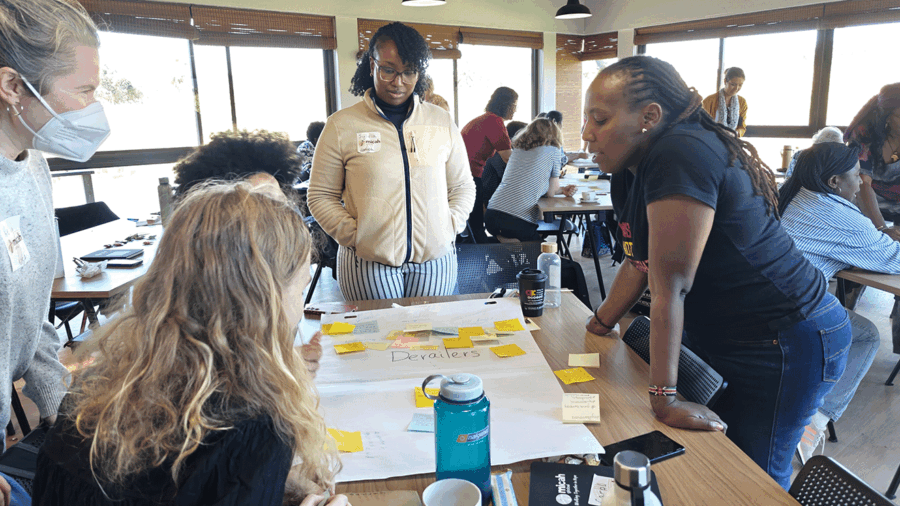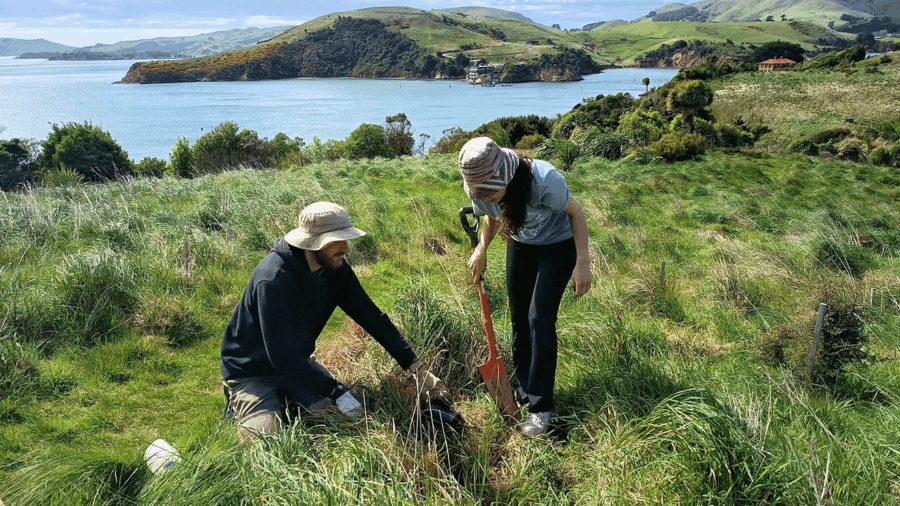
Christians around the world are embracing the call to care for God’s world, and creation care programmes are taking root in their churches. While A Rocha UK’s iconic Eco Church network turns ten this year, new programmes are emerging throughout the A Rocha Worldwide Family, each with a unique flavour based on the country, cultureand needs of the local church.
At the end of 2025, A Rocha Lebanon partnered with the Middle East Council of Churches to launch Eco Church Middle East, a programme that spans from Morocco to Iran. Eco Church will reach more than 20 Christian traditions in the region – including Catholic, Orthodox and Protestant groups – with materials available in at least five languages.
Similar in scope, the new Eco Church Australia covers a vast area of the country, which includes a wide range of climates and ecosystems from desert to tropical rainforest. This means that the most sustainable approaches and priorities will differ between churches, but planting indigenous plant species for native bees, birds and other wildlife will be a priority everywhere.
Eco Church / ‘Eco Igrejas’ has also sprouted in Portugal, leading to an unprecedented cooperation between the Roman Catholic majority, Evangelical and Historic Protestant churches. Representatives from these groups are all coming together on the Eco Church team. The project also makes a deliberate and unique effort to use language that is shared and accessible across these different Christian traditions.
In the United States, Christians are not necessarily known for caring for creation. A Rocha USA is challenging this through Churches of Restoration. Rev. Sarah Robinson, pastor at Audubon Park Covenant, explains her approach: ‘Beyond just simply loving what God loves, we were created out of the earth and dependent on it.’ See how church members are responding in the video below.
‘Eco Eglise’ invites Christians in Switzerland to evaluate the ‘frenetic pace’ of modern lifestyles and embrace the long, slow work of creation care. Through gardens, seasonal celebrations, reducing waste and sourcing food locally, among many other actions, Swiss Eco Churches present an alternative and intentional way of living with God’s creation.
In New Zealand, the Eco Church Network is called ‘whānau’, a Māori word for an extended family group. It’s an invitation for churches and creation to journey together as kin. This ecumenical, nationwide movement seeks to care for God’s earth, with a special emphasis on art and storytelling alongside practical action. Similarly, A Rocha Ghana’s Eco Church programme emphasizes ‘being a friend to the environment’, equipping churches to demonstrate their care for God’s creation within their worship, their church compound and the community around them.
Since A Rocha UK and their partners launched Eco Church in 2016, over 9,000 churches have joined – around 23% of churches across England and Wales! Over 4,500 churches have achieved Eco Church awards, with initiatives like buzzing biodiversity gardens, outdoor services in nature, sharing low-mile food items, and making historic buildings climate-smart.