Kenya-marine

Kenya – Marine Programme

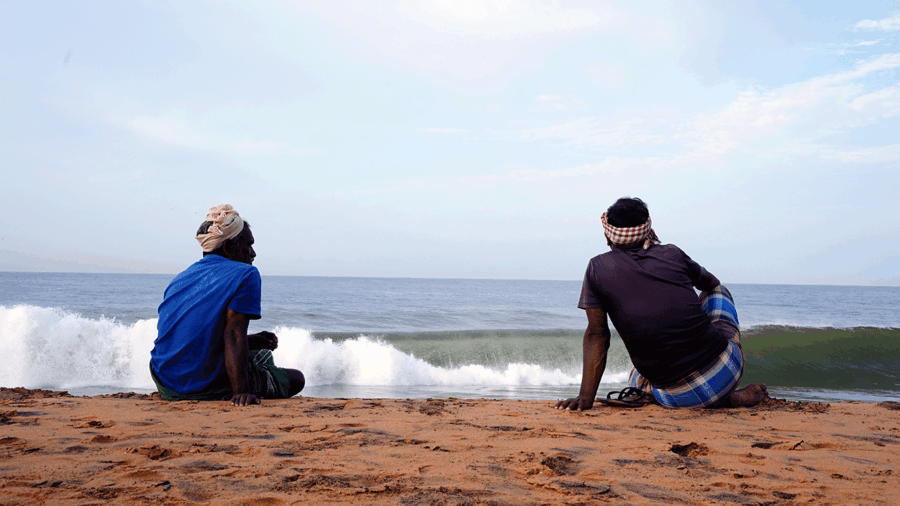
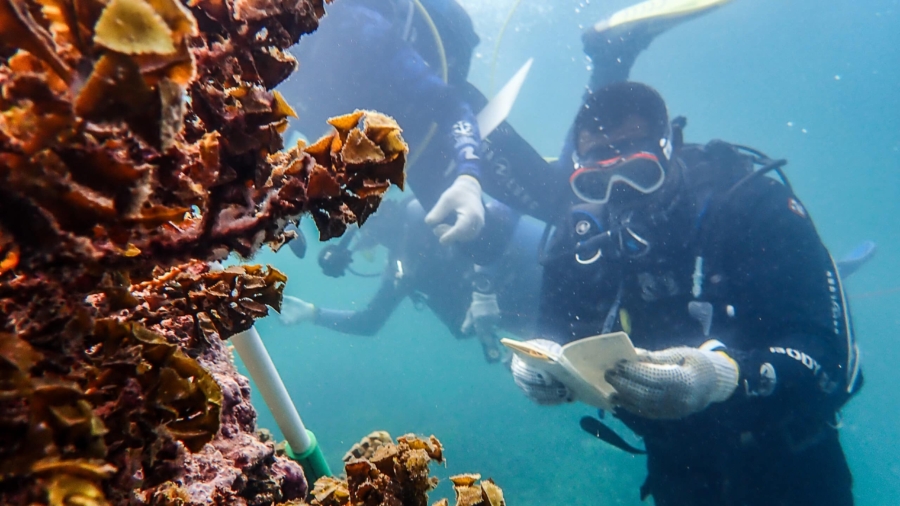
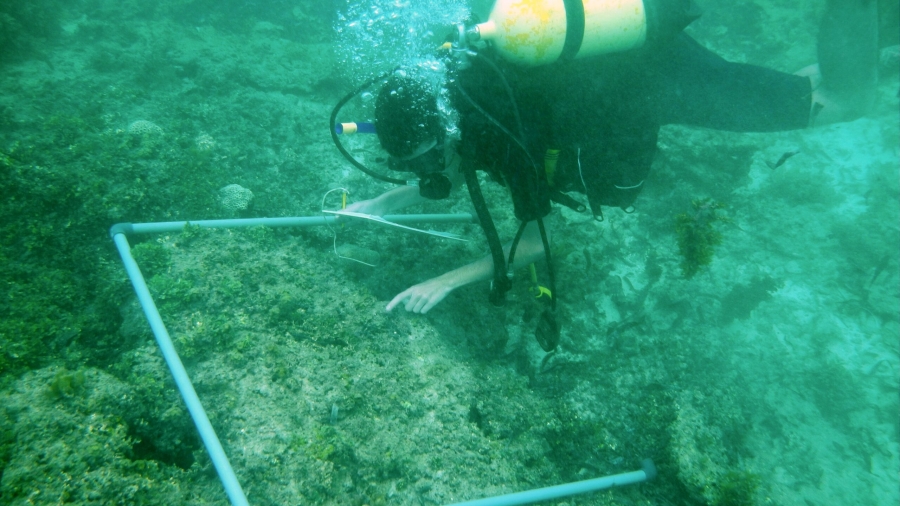
The marine environment in the Western Indian Ocean is exceptionally biodiverse, including habitats such as mangrove forests, beautiful sandy beaches, seagrass beds and coral reefs. They are also exceptionally threatened by coastal development, climate change, and fishing pressure. A Rocha Kenya works in Watamu Marine Park to understand the status and processes impacting marine biodiversity of these habitats.

We seek graduate students willing to get immersed in all tasks and work in a cross-cultural situation, recognizing that marine habitats have intrinsic value and that we can bring healing to the ocean and those who depend upon it.

The marine team is specifically looking for volunteer support in two categories:

  • Students pursuing a degree in marine biology who wish to help with specific existing projects (e.g. shark monitoring, rock pool monitoring, microplastics)
  • Graduate students (Masters and PhD) looking for a research site and / or to facilitate our marine work

We regret to say that at this time, we simply do not have the capacity to take on volunteers who have an interest in marine science but no experience.

Minimal requirements for marine volunteers:

  • Ability to swim long distances
  • Ability to use spreadsheet programmes for data entry and analysis
  • Are comfortable working in and around boats

Preference will be given to candidates who:

  • Have an internationally recognized SCUBA certification
  • Have previous experience in tropical marine environments
  • Have a degree in a marine science
  • Experience analyzing scientific data
  • Are from East Africa

In addition to normal volunteer requirements, we may ask that you:

  • Research Kenyan marine parks and write a one page essay describing one threat to Kenyan marine parks and possible solutions to that problem
  • Write a second one page essay on how marine conservation and faith apply to each other
  • Complete a required reading list prior to arrival in Kenya
  • Supply your own snorkeling gear (mask, fins, and snorkel)

Volunteers would be based at the field study centre, Mwamba, on the coast at Watamu.

Costs: approximately $20 US per day for volunteers, including all three meals.

To apply, please fill out our volunteer application form.

Note: the security advice for the Kenyan coast has been in flux recently. Please check with your travel insurance provider to confirm cover. The British Foreign Commonwealth Office issues travel advice for UK residents at www.gov.uk/foreign-travel-advice/kenya. Any decision to travel is the responsibility of the traveller.
USA-2

USA

A Rocha USA is establishing a nationwide network of conservation activities and is glad to connect with people interested in starting an effort in their own communities.

We welcome volunteers at several sites, but are unable to provide housing at this time. Please see A Rocha USA’s Join the Team page for the latest opportunities.

Casa-Adobe_MC

The home-life of A Rocha Costa Rica

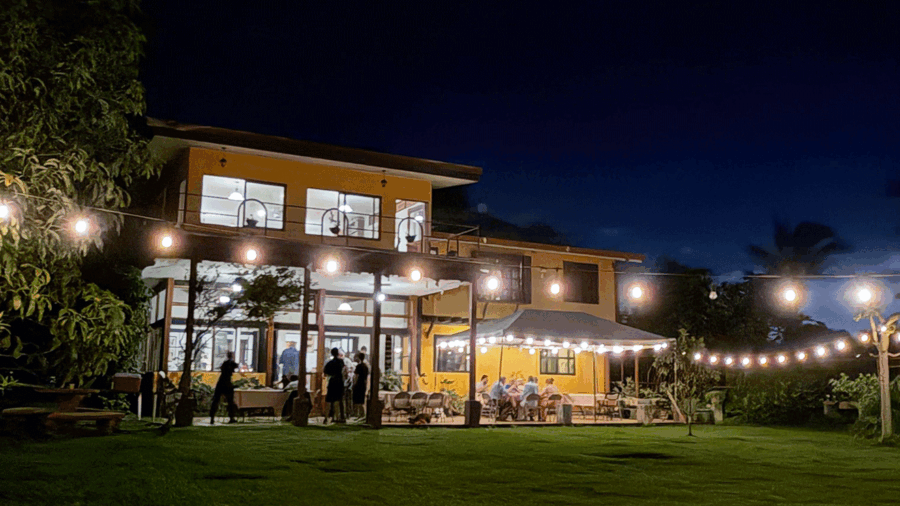
 Adobe is a building material made of mud, straw and manure. It is also a great metaphor for the kind of community Ruth and James Padilla DeBorst set out to create when they moved into Casa Adobe in San José, Costa Rica, with their blended family of eight back in 2010 – a place where the wounded and well, the destitute and the richly resourced, would share life. They were soon joined by a single father with his daughter, some foster kidsand a family of refugees from Nicaragua, and over the years many others have called this place home.

As time went on, the community set out to be good neighbours, and identified three areas of focus: ecology, radical hospitality and education. They registered as a non-profit and together welcomed both local people and others from far away for meals, long and short-term visits, internships and volunteering opportunities. They tutored children, founded a house church and soon identified the river running through the area – Río Virilla – as a neighbour in its own right.

For several years they have been getting to know this river and working alongside others to clean it, restore its banks and hold the businesses poisoning the water to account – in court where necessary. 

James says, ‘The grandparents of our neighbourhood remember swimming here, and now it is one of the most polluted rivers in Latin America. As we work to restore it, we don’t just see ourselves as its saviour, but as those needing to be mentored and discipled by creation, both by its damage and by its beauty.’ 

In 2025 Casa Adobe became the heart and home of A Rocha Costa Rica, and the vision has grown from concern with one section of one river to encompass an entire watershed, from its source to the salt marshes at its mouth. 

‘There is a river whose streams make glad the city of God, the holy habitation of the Most High.’ 
Psalm 46:4 

Find out more at costarica.arocha.org 

India-header_MC

A new project for marine life and coastal livelihoods in Southern India

At the southernmost tip of mainland India, the Bay of Bengal, the Indian Ocean, and the Arabian Sea converge in a coastline rich in dynamic ecosystems. Marine life thrives across estuaries, lagoons, mangroves and seagrass meadows; sandy, rocky and muddy intertidal shores; nearshore rocky pools and reefs; and out toward continental shelves, upwelling zones and deep-sea habitats. Coastal communities, too, rely on these diverse habitats for their lives and livelihoods. However, these environments face mounting pressures from plastic pollution, habitat degradation and climate stress.

To address these challenges, A Rocha India has launched a new marine conservation project, expanding its conservation reach from the forests of Bannerghatta into coastal waters. Building on A Rocha’s science-led, community-focused approach, the initiative aims to conserve and restore ocean biodiversity while empowering local communities in Kanyakumari (Tamil Nadu) and Thiruvananthapuram (Kerala).

Expanding conservation from the forest to the ocean

Scientific rigour and local relationships are the foundation of this new marine project. In late 2024, A Rocha India welcomed Dr. Anita M. George to the team as a Project Associate and Marine Biologist. A Fulbright-Nehru Fellow and marine sponge taxonomy expert from the University of Kerala, Dr. George brings a wealth of experience in understanding ocean biodiversity, marine microbiomes and the ecological roles of critical marine organisms – even lesser-appreciated species like sponges.

At the project’s onset, Dr. George conducted a session on marine conservation for the A Rocha India staff, helping them transfer their skills from the Bannerghatta-Hosur landscape to the coast. This led to baseline field visits to the three potential project sites. Over years of researching and living in southern India’s seaside communities, Dr. George had formed contacts with locals and leaders who were instrumental in gathering information for this new project. 

Conservation rooted in local communities

Long-term conservation success relies on the trust and active participation of local communities. Across the coastal hamlets of southern India, fishing is not just an industry; it is a way of life deeply intertwined with local culture and faith institutions. When it comes to engaging with outside organizations, some fisherfolk have expressed scepticism toward NGOs visiting the villages, due to prior experiences where organizations failed to follow up after initial engagement.

Resolved to build a community-centred foundation, A Rocha India engaged directly with local fisherfolk, village leaders and church networks. From January to March 2025, the A Rocha team visited potential project sites where they met key community leaders and facilitated discussions with local fishing communities. One morning, the A Rocha team even joined the fishermen to assist with hauling in the previous day’s catch. This offered valuable insight into their daily routines and provided additional opportunities for meaningful engagement.

A key milestone came through partnerships with the University of Kerala Department of Aquatic Biology and Fisheries, which is one of India’s oldest universities and a prominent institution fostering aquatic research. A Rocha India hosted a beach cleanup in partnership with the university, with 40 Master’s students and 10 faculty in attendance. The group collected 250 kgs of plastic waste, including polythene covers, plastic bottles, plastic caps, discarded leather bags, shoes, glass bottles, metals and other polystyrene ghost nets for fishing. The cleanup also provided a wonderful opportunity to create a public demonstration for tourists and visitors at the beach.

Another of A Rocha India’s partnerships emerged with Coastal Peace & Development (CPD) – a development wing associated with the Church of South India operating across dozens of fishing hamlets in Kanyakumari. In early 2025, A Rocha joined a gathering of 55 women ‘animators’ – community leaders appointed by CPD to represent individual fishing villages. Through open dialogues and educational sessions, the team introduced A Rocha’s conservation vision, discussed the impact of marine pollution on local livelihoods and distributed practical goodwill gifts like thermal flasks for fisherfolk to carry hot water on sea trips.  

‘Engaging in open dialogue with local fisherfolk fosters trust and mutual understanding,’ the project team noted, reflecting on their initial focus-group discussions. ‘By working together toward a common goal, we can bridge gaps, build rapport and promote a sense of shared responsibility for the health of our marine environment.’ 

Responding to crisis with local insights

The flexibility of this new project was put to the test when an unexpected environmental crisis hit due to a major shipwreck along the Kerala coastline. On 25 May 2025, Liberian-flagged container vessel MSC Elsa 3 capsized and sank, resulting in the spillage of large quantities of plastic nurdles into the Arabian Sea. Plastic debris from the shipwreck spread across parts of the Indian Ocean and Bay of Bengal. The incident created widespread public anxiety over seafood safety, disrupting the ecosystem as well as income and trade of local fish vendors and fishermen.

In response, A Rocha India adapted its immediate research plans to conduct an extensive social survey across fishing hamlets in Kanyakumari, Thiruvananthapuram and Kollam. Reaching 75 direct survey participants and over 100 outreach contacts, the team gathered vital baseline data on how local communities perceive marine pollution, seafood safety and environmental risks. These insights ensure that A Rocha India’s ongoing conservation strategies are socially informed, context-responsive and tailored to the community’s real-world needs.

Looking ahead

As the marine conservation project moves forward, A Rocha India is gearing up for its next chapter. Plans are underway to publish multilingual educational guides, posters and digital toolkits aimed at raising awareness about endangered marine species, sustainable fishing practices and plastic reduction across more than 1,000 students and 200 fishing households. The team will also focus on raising awareness about local marine fauna and flora, particularly endangered and threatened marine species. 

Meaningful progress can only be achieved through collective action. A Rocha India is combining rigorous scientific monitoring with community engagement to cultivate a culture of care for the ocean and the creatures who depend on it. In this unique place where three seas meet, A Rocha is helping the waters remain vibrant and life-giving for generations to come.

DR-Congo_MC

Communities Speak: Healing Fractured Relationships Around Kahuzi-Biega National Park

Sweeping across lowlands, dormant volcanoes and high mountains in the Democratic Republic of the Congo, Kahuzi-Biega National Park is a sanctuary for wildlife species found nowhere else on earth, many of them endangered. However, a history of eviction, exclusion and punishment has left local Indigenous Peoples alienated from conservation efforts in the park. The local Church has a unique opportunity to transform these fractured relationships, as the vast majority of locals are practising Christians. As A Rocha DR Congo begins a new project in the region, it is catalyzing this opportunity and taking a community-centred approach to conservation.

Established in 1970, Kahuzi-Biega National Park is a UNESCO World Heritage Site in South Kivu. It is home to many charismatic species such as Eastern Lowland Gorillas, Bongo Antelopes, Bush Elephants, Dwarf Buffaloes, Congo Peafowl and, most notably, Grauer’s Gorillas Gorilla beringei graueri, the world’s largest primate. The national park provides crucial ecosystem services such as climate regulation, water conservation and soil preservation, not only locally but for the entire Congo Basin and the planet. 

This vital ecosystem now faces intense pressure, which can be linked to the historic exclusion of Indigenous Peoples from the park’s management, combined with rapid population growth and poverty. Threats include deforestation for charcoal, slash-and-burn agriculture, poaching, illegal mining and insecurity caused by armed groups. These pressures destroy ecosystems, pollute water sources, jeopardize food security and impoverish communities. In the current top-down approach to conservation, both people and the landscape are suffering. Transformative action is needed to reconcile conservation with the well-being of the human populations neighbouring the park.

A Vicious Cycle of Economic, Agricultural and Health Crises

A Rocha DR Congo envisions a community of engaged eco-citizens around the park. However, long-standing injustices have forced many into desperate situations. When Kahuzi-Biega National Park was established and expanded, thousands of local Batwa Indigenous Peoples were evicted from its boundaries. Forced to settle on the park’s periphery, they face extreme land insecurity. 

While surveying communities surrounding the park, A Rocha DR Congo found that the Batwa community harbours a sense of injustice and frustration linked to the loss of their cultural identity, their forest-based livelihoods and their traditional land management practices. During one of A Rocha DR Congo’s focus groups, an Indigenous leader expressed the following:

“For us, the Batwa of Kalonge, the forest is not just a collection of trees to be fenced off; it is our home, our own living environment, which has been taken away from us by the state. Imagine being evicted from your own hut and then being told that you no longer have the right to enter it. That is exactly how we feel about the park’s current boundaries. Yet this forest is our nurturing mother, our pharmacy and our traditional homeland. It is there that our elders used to gather medicinal plants, find our food, breathe pure oxygen, draw crystal-clear waterand perform rituals. It is also there that we practised Busingo, that ancestral knowledge which enables us to produce and light fire using the elements of nature. Busingo was not about destruction; it was the symbol of our alliance with the forest. Today, the fire of Busingo is gradually dying out, and with it, our culture. The impact is profound and painful: we are currently deprived of our natural habitat. We have been turned into spectators of our own land, when we used to be its guardians.”

As many of the Indigenous Peoples surveyed around the park do not own land (52%), they depend on private landowners in order to farm. This land is often leased on a short-term sharecropping basis, which forces farmers – most of whom are women – to over-exploit their small patches of land season after season, leading to a decline in soil fertility. As it is impossible to expand their agricultural land legally, many resort to exploiting the park’s free and accessible resources.

The obligation to pay high rent traps farmers in an unsolvable economic equation, keeping them below the extreme poverty line. Chronic food insecurity follows, leading to alarming health consequences. For instance, two out of three children in the village of Mule suffer from Kwashiorkor, a form of severe protein-energy malnutrition. While A Rocha DR Congo was conducting its community surveys, South Kivu experienced a resurgence of Ebola virus disease, highlighting the urgent need to address the root causes of these health crises.

Humans and Wildlife Depend on a Healthy Ecosystem

Historically, institutions have regarded Batwa Indigenous Peoples as marginalized and illiterate populations. In reality, a large proportion of their population has completed secondary and higher education. The Batwa population is fully aware of its ancestral rights to the forest, and they understand complex issues of biodiversity, conservation and environmental justice. However, opportunities for formal employment in and around Kahuzi-Biega National Park are virtually non-existent. Though illegal, subsistence practices in the park have become necessary for many people’s survival.

A Rocha DR Congo’s surveys revealed that the local Indigenous community appreciates the national park’s vital role in conserving forests, protecting wild animals and serving as a potential opportunity for tourism. Culturally, gorillas, snakes and leopards are highly respected, and their protection is supported by the community.

Indigenous communities also showed a keen, practical understanding of the ecosystem services provided by the park’s forest. Farmers directly link forest loss to local climate disruption, particularly reduced rainfall. They explained how this has resulted in declining harvests, drying water sources, and increasing animal diseases in livestock. Batwa Indigenous Peoples understand the vital link between the park’s conservation and their own agricultural survival, but in the current system, they are driven by extreme necessity to exploit the park’s resources. A Rocha DR Congo seeks to build on this knowledge and provide practical solutions to restore both the forest and community trust in its governing bodies. 

A Spiritual, Practical and Community-Centred Approach to Conservation

The communities surrounding Kahuzi-Biega National Park do not exploit it out of ignorance or greed, but out of extreme necessity. A holistic approach is needed, and A Rocha DR Congo has identified the local church as a unique venue for transforming this situation. In the Kalongecommunity, which borders the park, the Church is not merely a place of worship; it is a stable, highly influential institution with the power to mobilize social change. 98% of the local population is religious and practising (mostly Protestant and Catholic), making church engagement the most effective way to deliver environmental education.

These churches are also unique spaces for inclusion. The local Batwa community is overwhelmingly Christian and integrated into the same religious networks as the non-Indigenous local communities. While land disputes and historical exclusion surrounding the park often create significant social tensions between these groups, church pews remain one of the few places where people of different backgrounds can come together in a spirit of fraternal equality.

Catholic parishes and Protestant churches in Kalonge offer a neutral venue for dialogue. Within the Church, environmental education can be framed not as a constraint imposed by the park but as a shared spiritual responsibility. Creation care theology is still uncommon in DRC churches, so this initiative from A Rocha will be the first of its kind in the region. Other influential channels for environmental education include Kalonge Community Radio, schools and community associations, which provide ideal spaces for building trust and raising awareness.

To break the cycle of poverty and deforestation around the park, A Rocha DR Congo also aims to implement a green development initiative focused on sustainable livelihoods:

  • Agroecological Farming: Establishing small, high-yield vegetable gardens through community-led farmer training, with a strong focus on empowering local women. 
  • Community Agroforestry: Planting fast-growing species on household farms and bare land to generate income, establish community forests and reduce illegal tree cutting for charcoal.
  • Sustainable Livelihoods: Introducing beekeeping and small livestock to diversify household incomes and improve nutrition without exploiting park resources.

Because a large proportion of the population farms land they do not own, they are also less inclined to invest in long-term sustainable practices. The Batwa, in particular, are excluded from private forestry and confined to purely subsistence farming. The green development programme A Rocha envisions will promote land security for farmers by offering incentives and negotiating long-term leases with private landowners. By securing land rights for community farmers, we can break the cycle of dependency. 

Institutional changes to how the park is governed are also needed. Often, environmental management at Kahuzi-Biega National Park is top-down and exclusionary, and community trust in park management is exceptionally low. The vast majority of community members told A Rocha DR Congo that they are not sufficiently involved in decision-making. A Rocha advocates for conservation approaches grounded in social equity, which engage the Batwa Indigenous minority and other local community members as co-management partners at every step of the process. While men have historically dominated decision-making, women are the primary drivers of subsistence farming. Because they work the land daily, truly inclusive governance will engage women, as well.

In the Democratic Republic of the Congo, protecting precious wildlife and ecosystems need not come at the cost of human flourishing. By grounding conservation in the socio-economic, environmental and cultural realities of Indigenous Peoples, A Rocha DR Congo is helping cultivate a future where nature and humanity thrive together.

Heidy-Chung_mc

God’s worshipful design

Picture of Heidy Sumei Chuang

Heidy Sumei Chuang

God’s worshipful design

An Invitation to Churches and Artists.

‘God saw all that he had made and it was very good! There was evening, and there was morning, the sixth day.’
Genesis 1:31NIV

When I teach watercolor classes, I begin with this verse to help my students understand that creativity is a gift from God and a mirror of His own creative process. It is a poignant and profound way in which we, God’s masterpieces, image him. Just as God looked and saw (surveyed, reflected on, concluded) that all he had made was very good, we, too, are invited by Christ to ‘consider the birds of the air and the flowers of the field.’ This ‘seeing’ is the very first skill I teach my students, for the work of a visual artist stems from our ability to perceive and consider. Just as a cellist knows their instrument uniquely – the weight of their bow and the smooth ebony beneath their fingertips – the artist wields the instrument of observation with lifelong practice and curiosity.

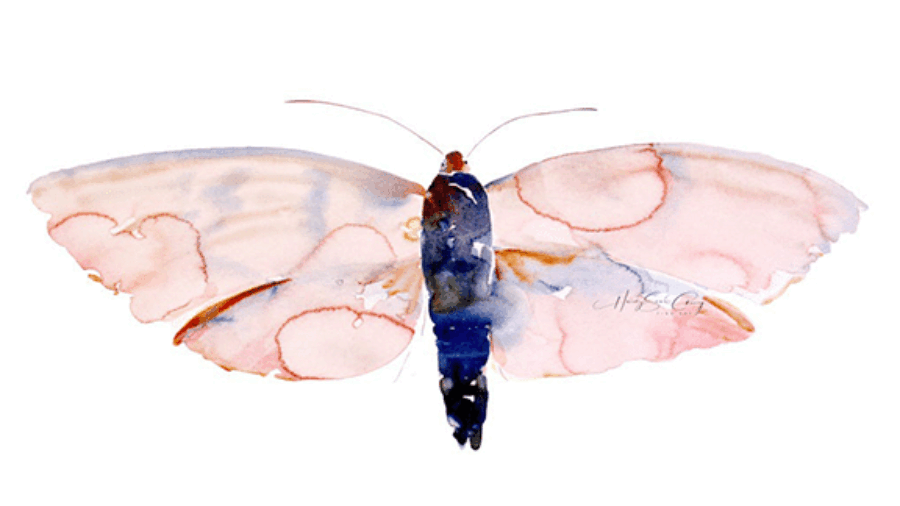
When we learn to look, two things happen. First, we discover that creation is very good. I am reminded of my time at A Rocha France, painting moths and finding the beauty and intricacy of these often-overlooked insects. Sometime later, at L’Abri in Switzerland, this experience was mirrored in my workshop with students as I asked them to closely observe and draw moths at various stages of their lifecycle. The act of looking and creating was utterly transformative, with one student sharing that three days earlier, she would have killed a moth without a second thought. They had learned to cherish – to see the ‘very goodness’ – of this tiny piece of creation. The artist’s role is to teach people to see, and when we learn to see, we respond with love. 

The second thing that happens is that God is revealed in creation – ‘The heavens declare the glory of God.’ When I have sent my students into nature to practice looking, God has spoken to them as He so often speaks to me. The artist becomes a storyteller. As I consider, ponder, and discover the depths of God as revealed in creation, my art tells these stories.

My friend, a composer, tells me that for her, the beauty of music is that it unfolds through moments in time. As an artist, I find great beauty in art’s ability to hold countless brushstrokes, hours of effort, and corresponding or even contradictory ideas all together, at once, on the same paper. Meaning is so powerfully received when it is rooted in the complexity of life; as the Psalmist wrote, ‘he makes the valley of Achor a gateway of hope.’ Not the valley of abundance or ease, but the valley of trouble. Art holds space for mystery and paradox in a way that is unique to this discipline and has been explored within Christian worship for centuries if not millennia.  

‘Then Moses said to the sons of Israel, “See, the Lord has called by name Bezalel the son of Uri, the son of Hur, of the tribe of Judah. And He has filled him with the Spirit of God, in wisdom, in understanding and in knowledge and in all craftsmanship; to make designs for working in gold and in silver and in bronze, and in the cutting of stones for settings and in the carving of wood, so as to perform in every inventive work.”’ Exodus 31:1-5 

The first time God’s Spirit is recorded as filling a person is to give an artist wisdom, understanding and craftsmanship. This passage also speaks of what God finds beautiful – our worshipful response to the work of his hands, the land beneath our feet. Not any land; the pomegranates and grapes made of gold were meaningful and fruitful in their culture, time, and place.

The question of how we can incorporate art into worship is not answered from a distance but rather within a specific community. This can sometimes be lost in our increasingly global world. Who are your artists? What land do you inhabit? What is significant, worshipful, and beautiful in your church community?

This passage also speaks of the invitation and role of individual artists, for Bezalel was called by name.

If the church, in a world full of industry and agenda, can create spacious places for artists to flourish, they will become the storytellers, teachers, and hope-bringers God has designed them to be. They will bless the body and creation with their ability to look and respond. Art is not just something God uses but sits right at the center of His rich and full design for worship.

Finally, I am reminded of two stories. The first was the Easter Vigil at my church, Church of the Cross, Boston, where artists, musicians, chefs, florists, and others filled the church with God’s creation and our worshipful response to Him. I saw in the details artistic coincidences that are impossible to orchestrate apart from God’s pleasure, intention, and presence within our art. The second was an exhibition of my work at Waterfall Gallery, NYC, one of the busiest and most secular cities on earth. Many at the exhibition saw paintings pleasing to the eye, but those who had eyes to see saw the message of reconciliation and hope within my floral collection, ‘Beauty from Ashes’. The call to the visual artist is to see and worship, build up the body, and finally, be hope-bringers to our despairing and complex world, by speaking of God’s care – for us and all of creation. 

This blog was republished with permission from Heidy’s Substack and is an excerpt from Worship & Creation: A Digital Guidebook by A Rocha USA (2024). You can download the full guidebook for free here.

Other Articles

DSC_0061-e1516030304535-1500x591

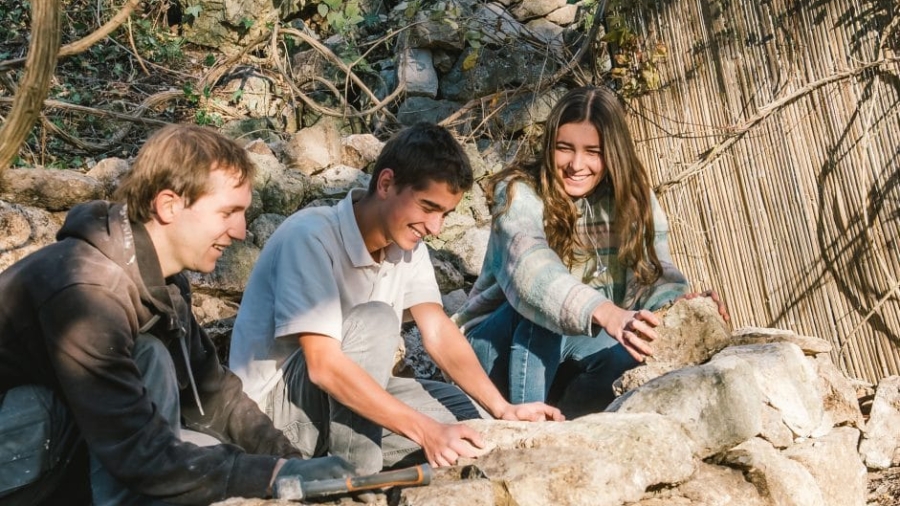
Volunteers for civic service missions

We are currently looking for three young people in civic service to:

  • A mission to help develop the educational garden and welcome the public. Mission of 8 months. All the information here.
  • A mission to assist in conservation activities and the reception of the public. Mission of 8 months. All the information there
  • A public reception mission in Les Courmettes and support for the association’s activities at the national level. 8-month mission. All the information here.
New-position_Canada

Not-for-Profit Bookkeeper/Accounting Lead, BC

Job Title: Not-for-Profit Bookkeeper/Accounting Lead

Work Arrangement: Hybrid-Remote (3 days/week in office)

Location: Surrey/Langley, BC (or GVRD)

Reports to: Operations Director

Team: National Office Administration Team

Level: Manager, experienced, no direct reports

Job type: Full Time, permanent

Hours: 40 hours per week, with some flexibility regarding schedule

Pay range: $60,000-65,000 (based on experience and geographical location)

Benefits: Extended health incl. physio, massage, chiro, dental, vision; EAP, vacation, Sabbath time off, sick days

Non-traditional benefits: free onsite parking, walking trails, subsidized farm-to-table lunches, community events

Work environment: Annual National Team Gathering (all teams meet centrally in person every 2 years)

Key contacts: Operations Director, Donor Services Database Administrator, Remote A/P Coordinator, banking professionals, program leads, key funders and vendors as required

Summary

For over 40 years (24 years in Canada) and now on six continents, A Rocha has been protecting and caring for vulnerable habitats, species and communities in God’s name. Working closely with the Operations Director at A Rocha Canada, you will be empowered to use your talents to optimize our accounting, bookkeeping and payroll processes. You will ensure A Rocha Canada’s compliance with CRA regulations and ASPE (Accounting Standards for Non-Profit Organizations) and play an instrumental role in financial reporting timeliness and accuracy.

About this role

Are you a tenacious financial professional who thrives in a diverse, dynamic environment? We are a national non-profit organization operating a unique portfolio across Canada, including conservation programs, working farms, environmental education initiatives, farm store and produce subscription operations, and church engagement networks. With an annual revenue of approximately $3M-$3.SM and a high volume of transactions spanning multiple physical and digital locations, we are looking for a Bookkeeper & Accounting Lead to anchor our day-to-day accounting cycle.

This is not a standard corporate data-entry role. You will manage complex Canadian fund accounting, oversee multi-channel revenue streams {POS systems, grants, donations, and retail sales), and ensure flawless CRA compliance across our distinct programming sectors.

Key Responsibilities

  • Multi-Location “Fund” Accounting: Manage the day-to-day general ledger transactions, ensuring proper class tracking, allocation, and restrictions for diverse programs {Farm, Farm store, Education, Conservation).
  • Revenue Stream & POS Reconciliation: Record and track deferred program and capital revenue (accrual and recognition). Reconcile high-volume, multi-channel transactional data from POS platforms (Square), event management platforms (Eventbrite), and digital donor management tools (Keela/Stripe).
  • Accounts Payable & Receivable: Oversee full-cycle AP and AR workflows across regional operations, ensuring accurate vendor management and timely cash flow tracking. Complete month end/ year-end bank and credit card reconciliations.
  • Canadian Tax & CRA Compliance: Track and manage GST/HST/PSTo bligations across multiple provinces, coordinate semi annual GST rebate filings
  • Payroll & Benefits Administration: Process accurate semi-monthly payroll for salaried and contract staff distributed across multiple locations, including statutory source deductions (Payworks).
  • Financial Reporting: Prepare monthly financial statements for the Operations Director
  • Year-End Audit: Maintain audit-ready digital files; support the Operations Director during the annual audit and with the T3010 Registered Charity Information Return filing.
  • Cross-Departmental Collaboration: Partner closely with the donor services/database team to align financial records with donation tracking; manage multi-stakeholder email communications clearly and professionally.
  • Confidentiality: Maintain strict confidentiality of donor, employee, financial and other personal information in accordance with organizational policies and applicable privacy legislation.

Qualifications & Experience

  • Experience: Minimum 5+ years of full-cycle bookkeeping or accounting management experience specifically within the Canadian not-for-profit sector.
  • Technical Knowledge: Deep understanding of Canadian ASPE (Accounting Standards for Non-Profit Organizations) and fund accounting restrictions.
  • System Fluency: Highly proficient with modern cloud-based software (e.g., QuickBooks Online) along with deep experience managing third-party POS, e-commerce and CRM integrations.
  • Regional Complexity: Proven ability to manage multi-location operations, intercompany/inter-departmental allocations and provincial tax variations.
  • Education/Credentials: Degree or diploma in Accounting, Finance or Business Administration or equivalent practical experience. Achievement of progress toward a PCP (Payroll Compliance Professional) or professional bookkeeping certification is a strong asset.
  • Background & Values: Commitment to our mission and values and the ability to work respectfully and effectively within a Christian faith-based environment; strong operational process orientation with strong interpersonal skills and the ability to work both independently and collaboratively. You are committed to investing in team relationships, and providing guidance to colleagues, in person and virtually.

Core Competencies

  • QuickBooks Online (QBO) ProAdvisor certification or experience with Quickbooks Online
  • Exceptional organizational skills with an eye for detail amid high volumes of operational transactions.
  • Analytical mindset capable of evaluating financial metrics

This position requires a criminal record check with a vulnerable persons scan. Specialized site-specific training will be provided in accordance with A Rocha’s Child Protection Policy.

How to apply

A Rocha Canada is committed to providing an inclusive and accessible recruitment process. If you require accommodation at any stage, please let us know.

Please email your resume to [email protected] by October 9, 2026. The listing will remain active until a suitable applicant is hired. Include the following with your application:

  1. Cover letter detailing how you meet the requirements of the role
  2. Your answer to the following question: In 250 words or less, what is it about A Rocha Canada’s work that would make you excited to join our team?

Only those selected for an interview will be contacted. Thank you.

Feast-of-Creation_header_mc

The global Church unites for The Feast of Creation

Churches worldwide are coming together to adopt a major new Christian festival: the Feast of Creation, also known as Creation Sunday.

From 2024-2025, all the major Christian denominations and networks gathered for two ecumenical councils in Assisi, Italy. Through this time of prayer, discussion and friendship, they have agreed to mark the first Sunday in September as a day to celebrate the Creator God and the mystery of creation in Christ. From Eastern Orthodox, to Pentecostals, to Roman Catholics, to Mennonites, Anglicans and more, the world’s Christian traditions are uniting around the conviction that celebrating, praying for and protecting God’s creation is essential to the Christian life.

Rev. Dr. Dave Bookless, Head of Theology for A Rocha International, attended the first Assisi conference, and offers his reflection:

The first Assisi conference was an extraordinary time of listening, learning and sharing with global church leaders, liturgists and theologians from across the global Christian spectrum. Held outdoors when possible, the plenary sessions and discussions were bathed in worship. We concluded with a pilgrimage up Mount Subasio where St Francis used to pray surrounded by nature.

The Feast of Creation coincides with the Season of Creation, which is a more extended celebration from 1 September to 4 October each year. The Season of Creation activities are coordinated by an ecumenical steering committee, of which A Rocha International’s Kuki Rokhum is a member. Our Head of Theology, Rev. Dr. Dave Bookless, also participates through the Season’s Advisory Committee, which provides theological and liturgical expertise.

From ancient eastern origins to the modern world

The first of September has ancient roots as a day of beginnings. Before the time of Christ, the ‘early rains’ of September marked the beginning of the agricultural year. Beginning in the 7th century, Byzantine tradition marked the creation of the cosmos on 1 September, and it came to be celebrated as the beginning of the liturgical year. This also parallels the Jewish calendar, which celebrates its New Year, the feast of Rosh Hashanah, around the Autumn Equinox.

‘I want creation to penetrate you with so much wonder that everywhere, wherever you may be, the least plant may bring you to clear remembrance of the Creator.’
St. Basil the Great, Hexaemeron V. 2

This ancient tradition became more relevant than ever as ecological crises worsened around the world. In 1989, based on this ‘sign of the times’, the Orthodox Church’s Ecumenical Patriarch Demetrios I invited the entire Christian world to celebrate the World Day of Prayer for Creation on 1 September. Two years later, the newly elected Ecumenical Patriarch Bartholomew I (known as ‘The Green Patriarch’) convened an unprecedented ecological gathering of leaders to extend this celebration throughout the Orthodox Church.

This invitation led to an ecumenical explosion. The World Council of Churches was instrumental in extending the celebration to a ‘Season of Creation, lasting from 1 September until 4 October, the feast day of St. Francis of Assisi. Christians worldwide have embraced the season as part of their annual calendar. Pope Francis established the World Day of Prayer for the Care of Creation in the Roman Catholic Church in 2015, and in 2019 started officially celebrating the Season of Creation, as well. Pope Leo XIV has since added a ‘Mass for the Care of Creation’ to the Missal.

An ‘Ecumenical Kairos’ in Assisi

There is now ecumenical dialogue underway around the Feast of Creation that is unprecedented in the long history of Christianity. A series of theological dialogues beginning in 2024 has become known as the ‘Assisi Process’, which brings together 13 Christian world communions and various ecumenical bodies to discuss how they may adopt the Feast of Creation or Creation Sunday in their own context.

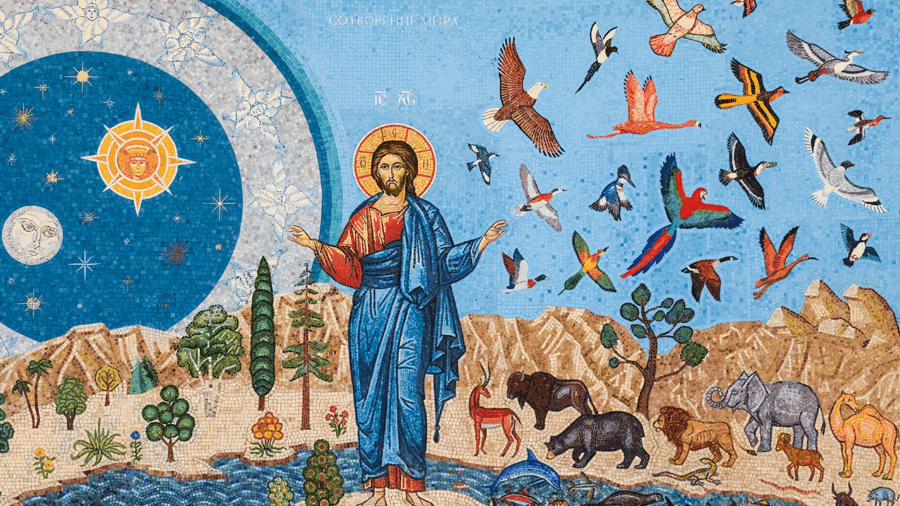
The process has revealed a pressing need to revitalize the doctrine of creation as central to Christian theology. The central concept drafted during the process is: ‘The Feast of Creation commemorates God’s act of creation of all things through Christ, also leading to praise the Holy Trinity as Creator and to cherish the created order as sacramental and covenantal.’

In May 2025, the second Assisi conference marked the 1,700th anniversary of the Ecumenical Council of Nicea. Since 325, the Nicene Creed has signified a bond of peace and communion between Christians. Fittingly, the Feast of Creation is grounded in the Creed’s proclamation of our faith in the Triune God that the Creed describes: ‘God the Father almighty, maker of heaven and earth’; Jesus Christ, who is ‘true God from true God… through [whom] all things were made’; and the Holy Spirit, who is ‘the giver of life’.

As we enter the third millennium of Christianity, the Assisi process is a powerful sign of communion amongst the global Christian family. It is also a prophetic gesture that the Church is responding to the groaning of creation.    

‘If the Assisi process continues to develop and reach its goal it might become a landmark in the history of Christianity. Looking back into the second millennium, there seems to be only one precedent: the Feast of the Transfiguration, originally celebrated in the East and then adopted in the West in 1456… This ecumenical process, with Western and Eastern churches discerning together a new feast, is ‘new territory’ for our contemporary churches – and a very promising opportunity.’
Bishop Bedford-Strohm

A united creation theology

In part, the Feast of Creation is about celebrating ‘Creation as the created world’, gifted by God to us. More importantly, however, it is about thanking and praising our Creator God by celebrating ‘Creation as foundational mystery’ of our Christian faith. At the Assisi gatherings, a wide group of church leaders, liturgical scholars, theologians from other disciplines and ecumenists discussed what should be core to this Creation Day, and how they might implement it in their own contexts.

Who attended the Assisi process?

  • World Council of Churches
  • Middle East Council of Churches
  • Anglican Communion
  • Baptist World Alliance
  • Catholic Church – various bodies*
  • Coptic Orthodox Church
  • Ecumenical Patriarchate (Eastern Orthodox)
  • Disciples of Christ
  • Lutheran World Federation
  • Mennonite World Conference
  • Moravian Church
  • Pentecostal World Fellowship
  • Salvation Army
  • World Communion of Reformed Churches
  • World Evangelical Alliance
  • World Methodist Council

Just as other feasts throughout the liturgical year reveal the mysteries of Christ, the Feast of Creation invites Christians to contemplate the multifaceted mystery of creation through a Christ-centered lens. While discussions are ongoing, four main themes have emerged in the Assisi process so far:

  1. God’s act of creation: At the core of the feast is remembering God’s act of creating the heavens and the earth. It is a holy mystery that God created ‘out of nothing’ (ex nihilo) and before time (‘in the beginning’). God’s creative activity is continuous (creatio continua) and ongoing, even today. It is also ‘creation out of love’ (creatio ex amore): not from necessity, but from divine freedom and generosity. Through the feast, we offer thanksgiving and praise to God who brought the world – and us – into being.
  2. Creation as Christological mystery: Jesus Christ is at the centre of the liturgical year, with each feast exploring a different dimension of his mysterious nature. The Feast of Creation invites us to contemplate Christ’s role in the act of creation. All things were created by the eternal Word (logos): in him, through him and for him (Colossians 1:16). Christ is the Alpha and Omega: the one through whom all things were made, and also the one through whom all things are redeemed.
  3. Creation as Trinitarian mystery: As explained in the Nicene Creed, the three divine persons of the Trinity act inseparably in the creative work. This relational communion between Father, Son and Holy Spirit is reflected in the interdependence of all beings in the created world. Creation is also brought into Trinitarian love: all creatures proceed from the Father and return to the Father through Christ in the power of the Spirit.
  4. Creation as sacramental and covenantal: Finally, the feast recognizes creation as a sacramental reality that reveals and mediates the presence of its Creator. Although God is transcendent, we encounter his love in and through the created order, which is filled with his presence. The feast is also a time to lament and repent of the ways that humans have desecrated God’s gift of creation through sin. Instead, we are reminded to cherish creation, and to love what God loves. God’s love for creation is so profound, in fact, that the Creator became a creature to establish the New Covenant (John 3:16), which includes the redemption of all creatures.

For much of Christian history, the Church has not embraced its mandate to care for God’s creation, either through complicity and inaction, or through actively harming what God called ‘very good’ (Genesis 1:31). But around the world, laypeople, theologians, activists and clergy have called on the Church to participate in Christ’s healing and reconciliation of all creation. We are beginning to see the fruits of this labor.

While the Assisi process is ongoing, we encourage you to celebrate the Feast of Creation / Creation Sunday on the first Sunday of September! You might also consider joining the longer celebration of the Season of Creation from 1 September – 4 October. This year’s theme is ‘Living Water’, based on Ezekiel 47:1-12, which portrays God’s life-giving water flowing from the temple of God. Visit the A Rocha Resource Hub to learn how you can celebrate the Feast of Creation in your own tradition and for the Season of Creation Celebration Guide.

Beach-cleanup_mc

A collage of cleanups

Litter cleanups are a powerful conservation tool, which almost anyone can join. According to the Ocean Conservancy, ‘Up to 23 million metric tons of plastic waste are estimated to enter global aquatic ecosystems annually.’ The challenge of plastic pollution is monumental, but beach cleanups can still have a lasting impact, especially when they are accompanied by actions to reduce the use of plastics in the first place.

Each September, A Rocha Organizations around the world join the International Coastal Cleanup and World Cleanup Day to create waters of hope, not plastic. This hope is for the landscapes, seascapes and wildlife that have been harmed by plastic pollution, and also for us humans who feel a greater sense of connection and optimism when we come together to care for our common home. Ultimately, our hope is in the Creator God who promises to renew all things and invites us to join this transformative work.

Read on for encouraging stories from A Rocha’s cleanups around the world.

Poetry from the Philippines

Christians in Conservation Philippines, an A Rocha Associated Project, saw an impressive turnout for the 2025 International Coastal cleanup. Teaming up with a local church and its members, they mobilize five schools and five health organizations to clean up beaches at Lobo, Batangas, Philippines. Lobo has coasts facing the Verde Island Passage which is known as having the highest concentration of marine shore fish species on Earth.

With support and encouragement from the local government, about 130 children, 21 youth and 231 adults joined the effort to protect marine life, gathering a total of 82 kg of waste! One group even planted seedlings of the endemic and endangered Philippine teak (Tectona philippinensis).

Mico Salas, Executive Director of Christians in Conservation, was inspired by the epic cleanup to write the poem below.

Taking cleanups underwater

Beach cleanups have proven to be incredibly effective at tackling marine plastic pollution. Since the International Coastal Cleanup began over 35 years ago, over 19 million volunteers have collectively removed more than 400 million pounds of trash from the world’s beaches and waterways.

However, not all marine litter washes ashore. Plastic and other waste often remain underwater, where they threaten marine life and damage fragile habitats. Removing this waste can be difficult without disturbing marine animals and their habitats in the process.

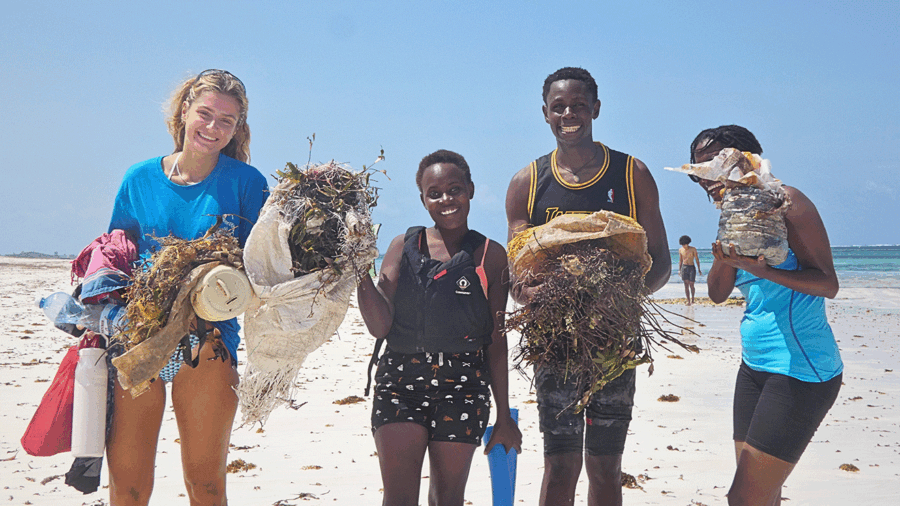
A Rocha Kenya and their partners have come up with a clever solution: underwater cleanups! On 18 July, more than 30 strong swimmers and free divers gathered at Watamu Marine National Park to remove waste that ordinary beach cleanups cannot reach. Together with the Kenya Wildlife Service and Turtle Dive Water Sports Centre, the volunteers collected 30.5 kg of plastic and other marine waste from a relatively small underwater area, helping to protect Watamu’s marine life from the shoreline to the ocean floor.

Plans are now underway to build on this first activity and expand the underwater cleanup initiative.

Hunting for nurdles

Most beach cleanups target larger plastics which can easily be seen and collected by hand. Smaller plastic particles are often overlooked in this process, but they are uniquely harmful to marine life.

Nurdles are tiny plastic pellets that are molded to make most of the plastic products we use every day. Billions of nurdles are produced each year and are easily spilled during manufacturing or transport. Because they look dangerously like fish eggs, seabirds, shellfish, whales and other marine wildlife easily mistake nurdles for food, which can lead to injury, starvation or even death.

A Rocha USA hosts ‘Nurdle Hunts’ in Florida each year during The Great Global Nurdle Hunt, a month-long event which often coincides with the International Coastal Cleanup. Hunting for nurdles isn’t just an opportunity to clean up beaches: A Rocha USA takes time for contemplative activities and even swimming. By praying for, protecting and enjoying God’s creation, we grow to love and care for it more and more.

A Rocha Peru is joining the nurdle hunting enthusiasm, as well, with a pilot project on Coastal Nurdle Monitoring and Clean-Up. In Peru, research on coastal microplastics remains limited, and pellet-focused studies are practically non-existent, especially outside Lima. A Rocha Peru organized this pilot activity to explore the presence of nurdles on beaches in the fishing village, Huanchaco. The response from the local community was incredibly positive, as volunteers were highly motivated to join the beach cleanups and learn about microplastic pollution. 1200 nurdles were collected in the surveyed areas, highlighting the severity of microplastic pollution in this tourist-heavy area and the need for more initiatives in the future.

The International Coastal Cleanup takes place on 19th September, 2026, and for those who don’t live near the ocean or another body of water, World Cleanup Day is on the 20th! Find educational, theological and practical resources on cleaning up plastic pollution in A Rocha’s Plastics Toolbox.

Kruparna_pond_mc

Baptisms at the pond

Since the beginning of A Rocha Česko (Czechia, Czech Republic), the field centre called Krupárna (Mill) has been a meeting point of all kinds of people, with various backgrounds, skillsets, gifts and stories. All kinds of people and all working towards one shared goal – creating a place where Christians can manifest their love to God as both Saviour and Creator, protecting nature as God´s creation and inspiring both believers and non-believers to do likewise.

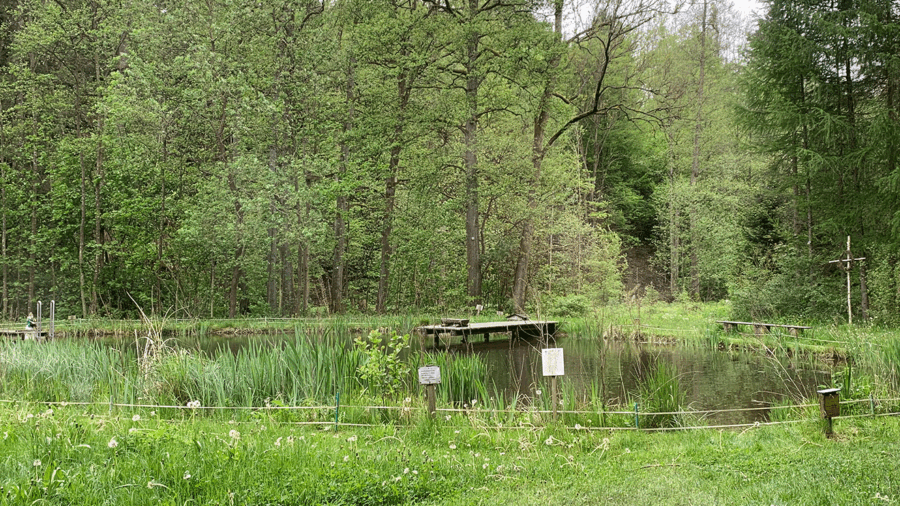
Turning the former mill and factory into an environmental centre was a long and messy process. But creating five biodiversity ponds was much messier and muddier! However, these ponds are now thriving with life, full of splendid colours, smells and sounds, and full of opportunities for children to observe wildlife, play with the elements, or have a short swim.

For many years, four local evangelical churches have also been using the most beautiful pond for baptisms. About 60 people, mainly young, have been baptized here. It´s always a solemn and joyous event. Family members and friends stand around the pond in a circle, singing hymns, praying and witnessing this key moment in a young Christian life. The solemnity is enhanced and carried by the grandeur of the surrounding nature, the lush greenery and the soothing and comforting beauty of a place vibrant with life.

Those involved do not believe baptism in a pond in this beautiful place is any better or ‘more spiritual’ than baptism in a contemporary, concrete church building. However, the surrounding concert of wildlife is something that makes baptism speak more powerfully to the whole congregation present.